
Choose your experiment
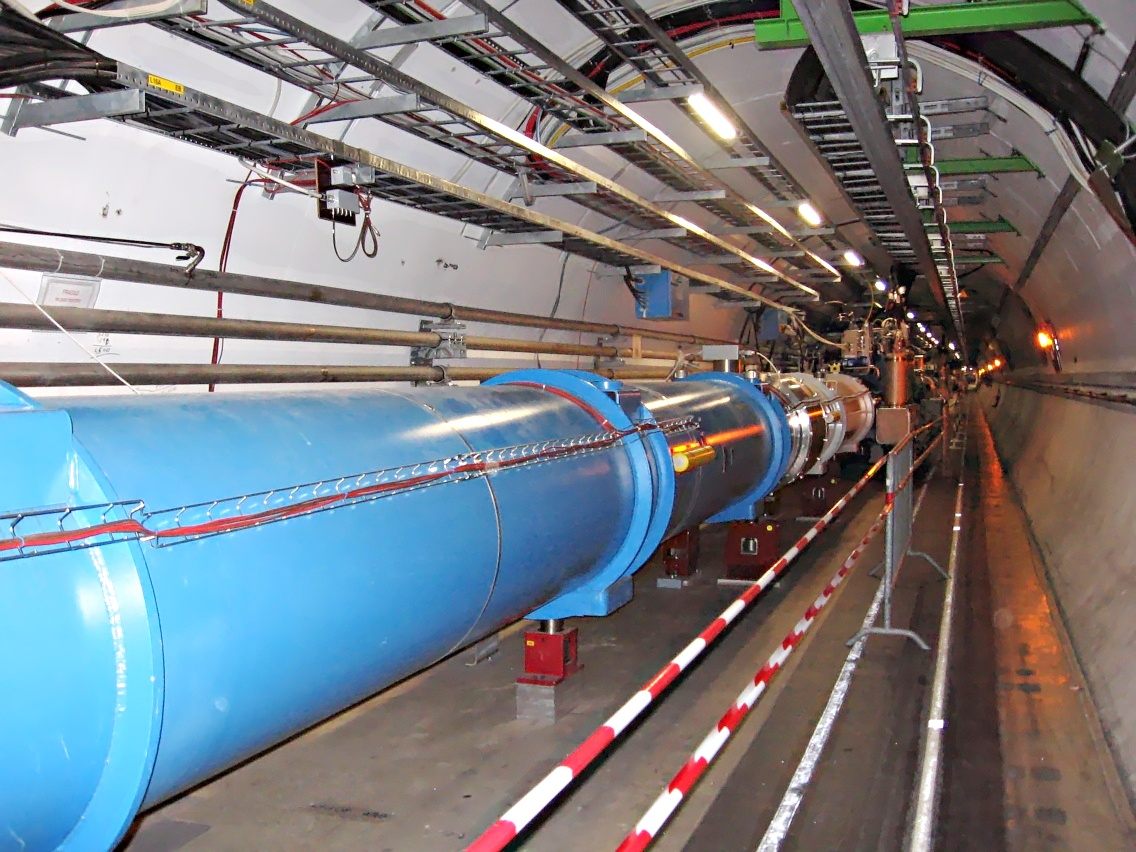
Students join one of three experiments, each in one of the most extreme places on Earth. Most combine physics analysis with hands-on work on the detector.
ATLAS
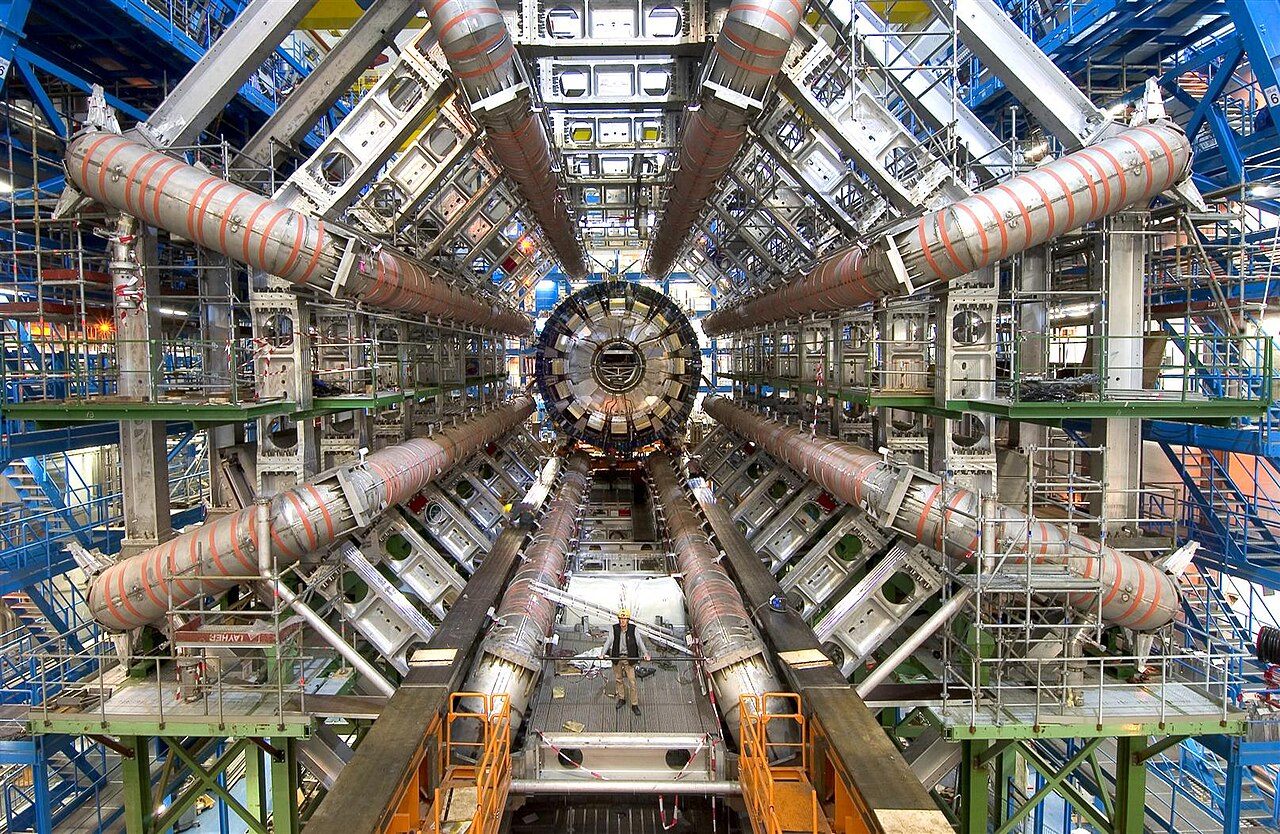
Measure the Higgs boson and search for new particles with machine learning, and assemble and test petals for the new ATLAS tracker with the SFU and TRIUMF team.
Research areas for students →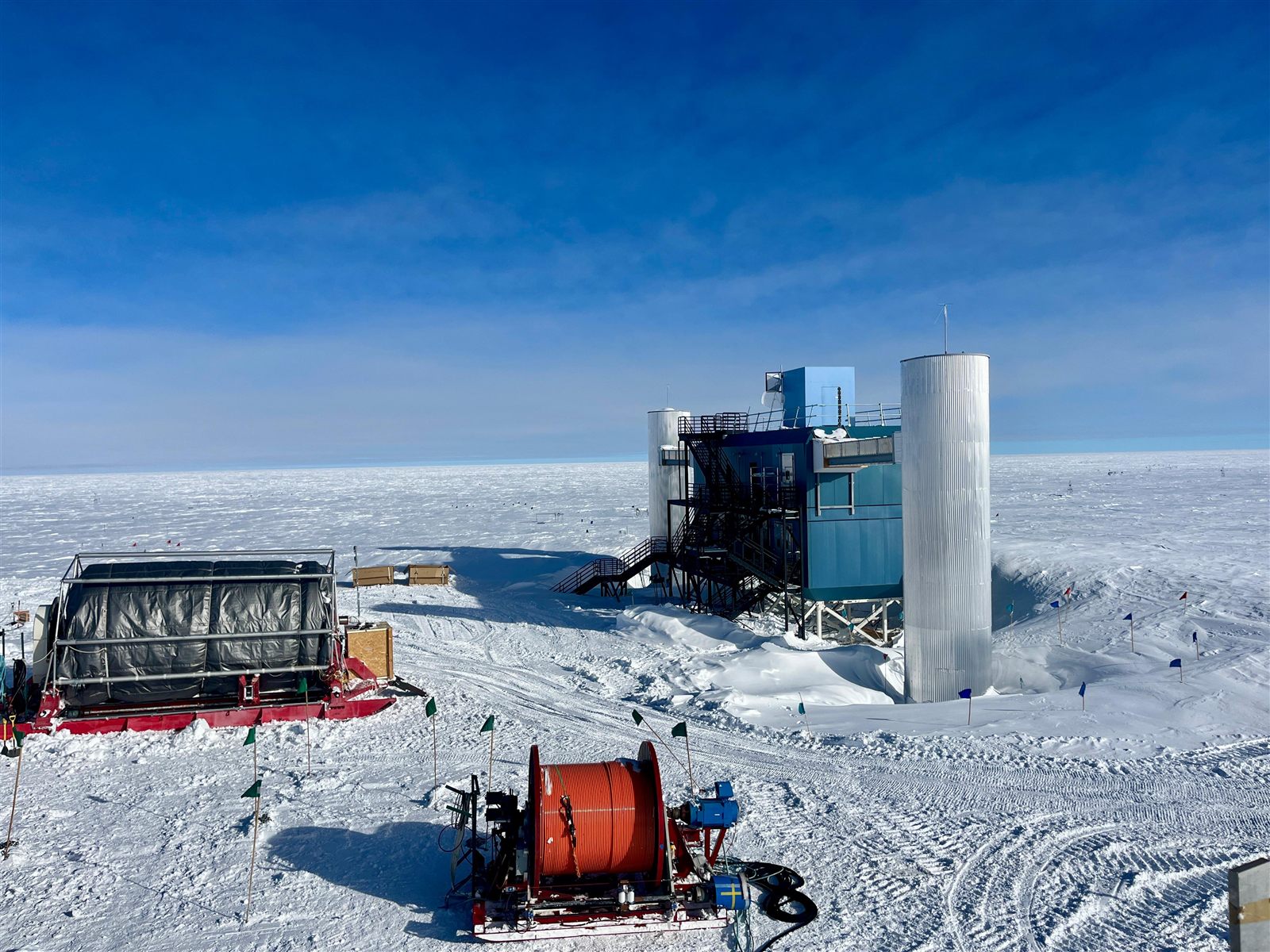
IceCube
Track down the sources of cosmic neutrinos, measure how neutrinos change type as they cross the Earth, and search the data for dark matter, in a collaboration of more than 450 people in 14 countries.
Research areas for students →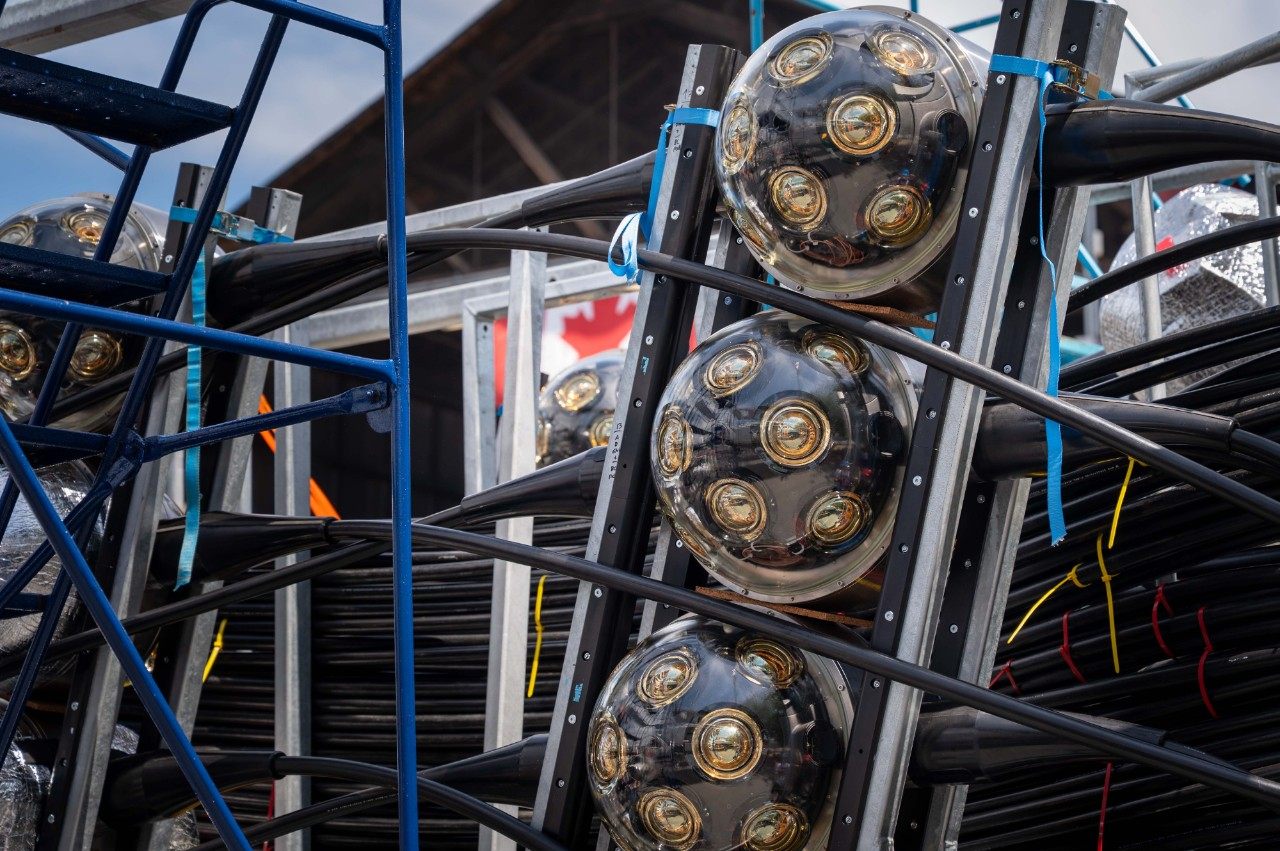
P‑ONE
A young experiment that students help shape: build calibration hardware, track the detector lines as they sway in the currents, and analyze the very first data.
Research areas for students →What you'll learn
Whichever experiment you join, you'll pick up skills that are in demand in physics and well beyond it.
Data analysis
Find a rare signal in a mountain of data, with statistics and machine learning.
Detector hardware
Build and test real detector parts, from tracker petals to deep-sea instruments.
Computing at scale
Run analyses over petabytes on the ATLAS Tier-1 centre and national supercomputers.
Global teamwork
Work in international collaborations and present your results to them.
Graduate students
Pick an experiment
Read about ATLAS, IceCube and P‑ONE and see which research areas excite you.
Contact a supervisor
Email a faculty member on that experiment (see who to contact). Say what interests you and ask whether they are taking students.
Apply
Apply through the SFU Department of Physics.
Undergraduate research
First year: Adopt-a-Physicist
First-year physics students can be "adopted" by a research group: join group meetings and gradually take part in the research. About Adopt-a-Physicist
Summer research awards
Undergraduate Student Research Awards (USRA) fund summer research. Canadian citizens and permanent residents apply for the NSERC award; international students for the SFU VPR Sciences award. About USRA at SFU Physics
Ask about other positions
Summer and co-op research positions are sometimes available. Email a faculty member to ask.
Who to contact
Not sure where to start? Get in touch with a faculty member on the experiment that interests you.
IceCube
Curious what students work on? Meet our current students or read past theses.
Ready to get in touch?
Meet the faculty and find someone whose research excites you.
Photos: ATLAS detector by CERN, CC BY 4.0, via Wikimedia Commons. P-ONE modules by Simon Fraser University. IceCube Lab by the U.S. Geological Survey, public domain, via USGS.
